
Understanding the Differences Between Quartersawn White and Rift White Oak
Plain Sawn, Quarter Sawn, and Rift Sawn White Oak: What’s Right for Your Cabinetry?
White oak has become one of the most popular choices for custom cabinetry and interior millwork, offering beauty, durability, and versatility. But did you know that how your lumber is milled—plain sawn, quarter sawn, or rift sawn—dramatically affects the look, feel, and even the cost of your finished project? As a design professional, I believe it’s essential to help clients understand these differences before they commit to any material purchase. Here’s your guide to the three primary sawn types of white oak: what they look like, how they differ, and what you can expect from each.
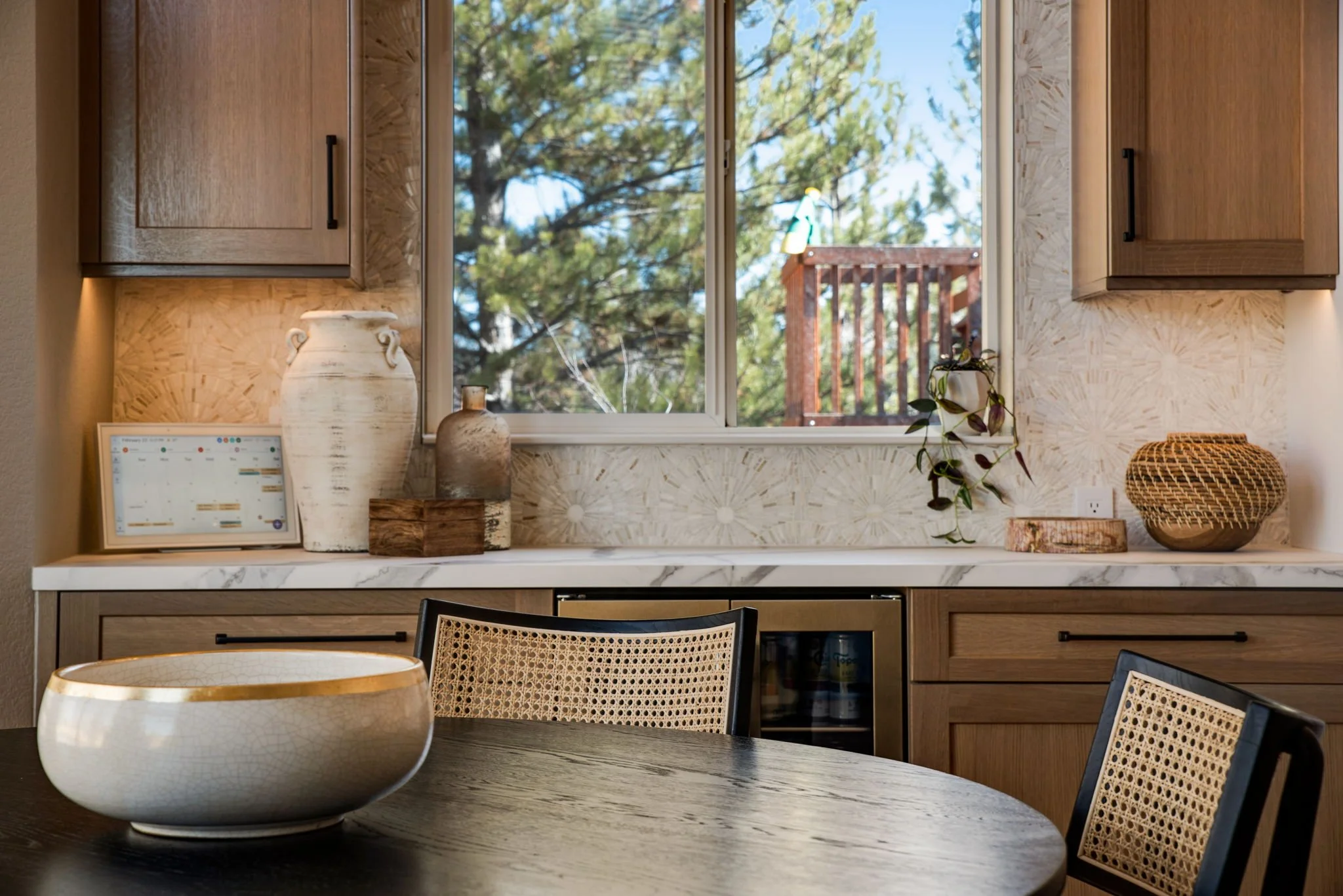
Quarter Sawn White Oak - Littleton CO
Plain Sawn White Oak: Classic & Familiar
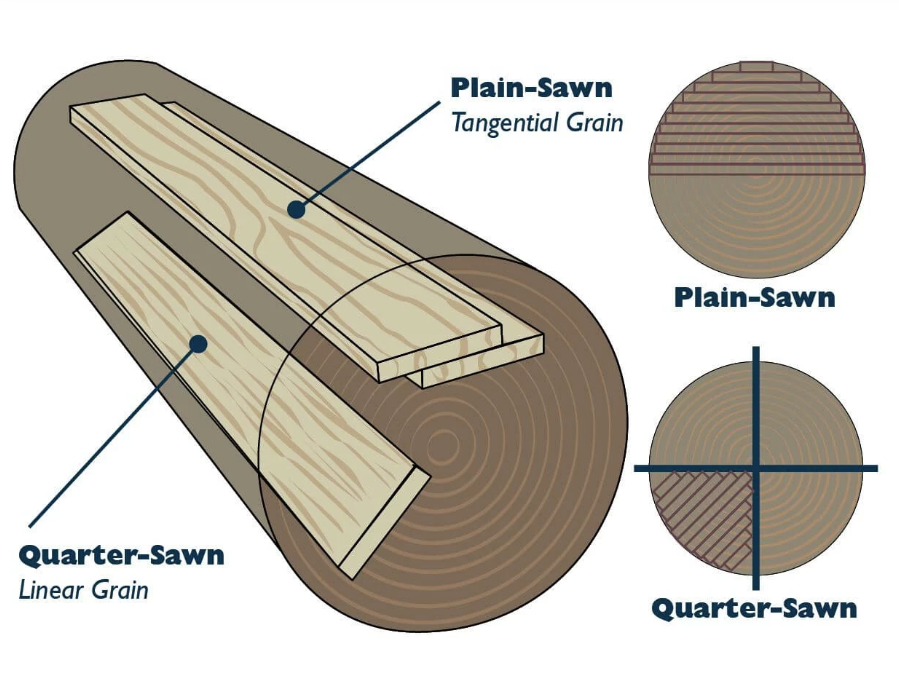
The most traditional and cost-effective way of cutting lumber is called plain sawn (or flat sawn). This technique yields the most wood from each log and is recognizable for its classic “cathedral” or “flame” shaped grain patterns. If you think of standard oak furniture or flooring, you’re probably picturing plain sawn oak.
What’s important for clients to know is that plain sawn white oak shares many visual characteristics with red oak—bold grain lines, arched cathedrals, and a touch of rustic, homey appeal. White oak, however, is typically more subtle in color and slightly tighter in its grain structure than red oak, making it feel a bit more refined. Plain sawn white oak is the most affordable of all the cuts, but it does show more variable grain and can experience more seasonal movement (warping or cupping) compared to rift or quarter sawn. If you love the warm, approachable look of traditional oak and want to be budget savvy, plain sawn white oak is a worthy option—but make sure its dynamic grain is what you’re after.
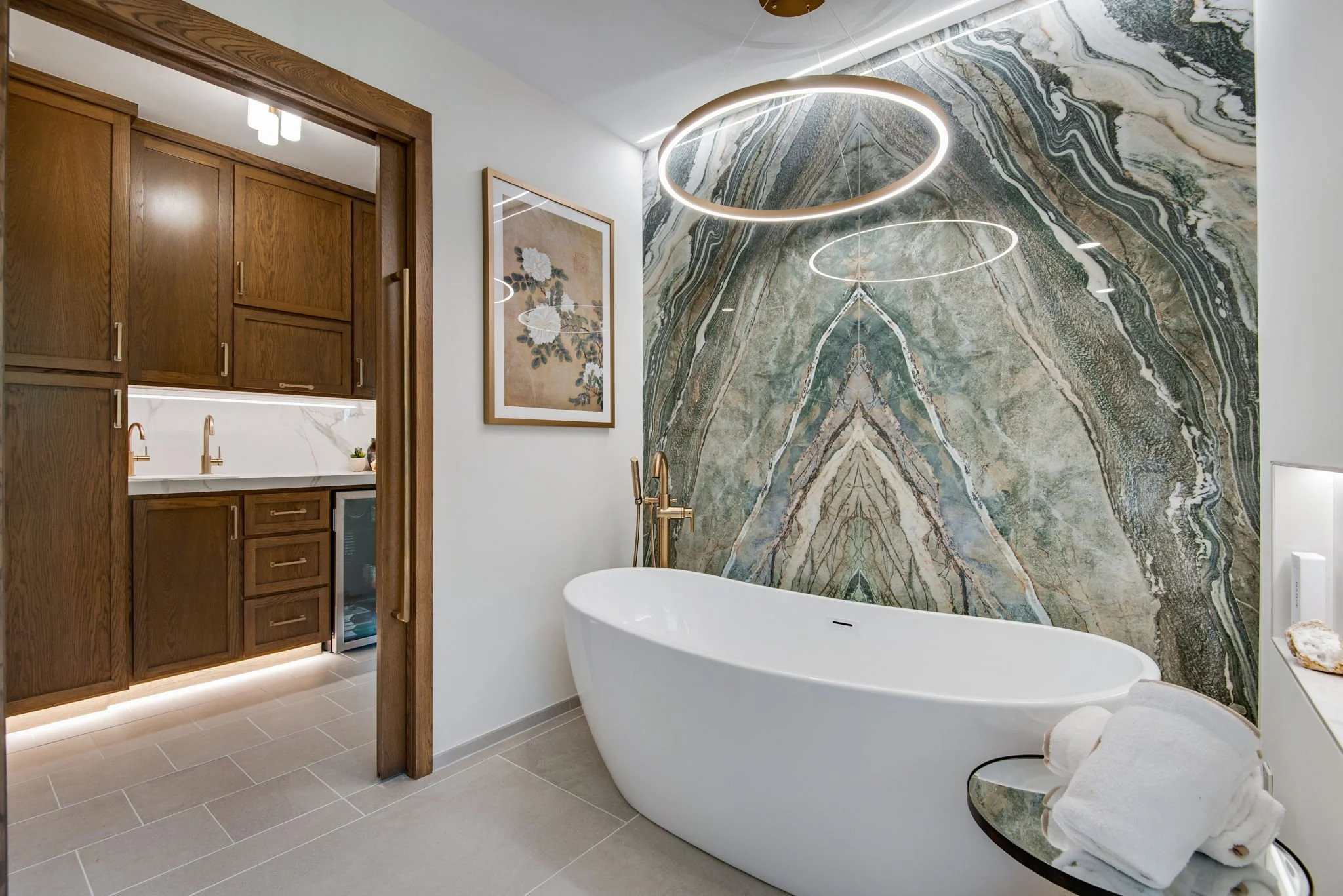
Plain Sawn White Oak - Littleton CO
Quarter Sawn White Oak: Character & Craftsmanship
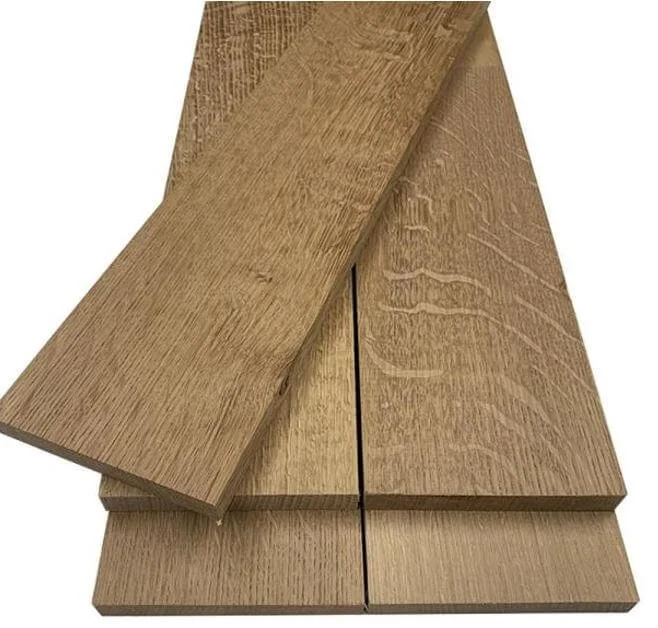
Quarter sawn white oak is a favorite for those who appreciate detailed craftsmanship or period styles like Arts and Crafts or Mission. In this process, logs are cut into quarters lengthwise and then sawn at a right angle to the growth rings (60-90 degrees). The result is a unique, straight grain with a shimmering, decorative “ray fleck” that catches the light and gives the wood an almost three-dimensional quality.
Quarter sawn white oak is not only beautiful but also structurally stable—more resistant to warping and moisture changes than plain sawn. The trade-off is that, due to a more complex milling process and higher waste, these boards are typically more expensive. If you want your cabinetry to be the showpiece of your room—with dramatic patterns and old-world charm—quarter sawn is an investment that pays off both visually and functionally.
Rift Sawn White Oak: Modern & Minimal
For those who prefer a more understated, elegant look, rift sawn white oak is the gold standard. Rift sawing involves cutting the log at a consistent 30-60 degree angle to the growth rings, producing extremely straight, fine grain lines with virtually no ray flecking. The result? Cabinetry with a clean, calm, almost contemporary appearance.
Rift sawn boards are highly stable and incredibly uniform, but because this method generates the most waste during production, it’s also the priciest of the three options. Rift sawn oak is ideal if your project calls for subtlety, with grain that runs in crisp, parallel lines—perfect for modern or Scandinavian-inspired spaces where less is often more.
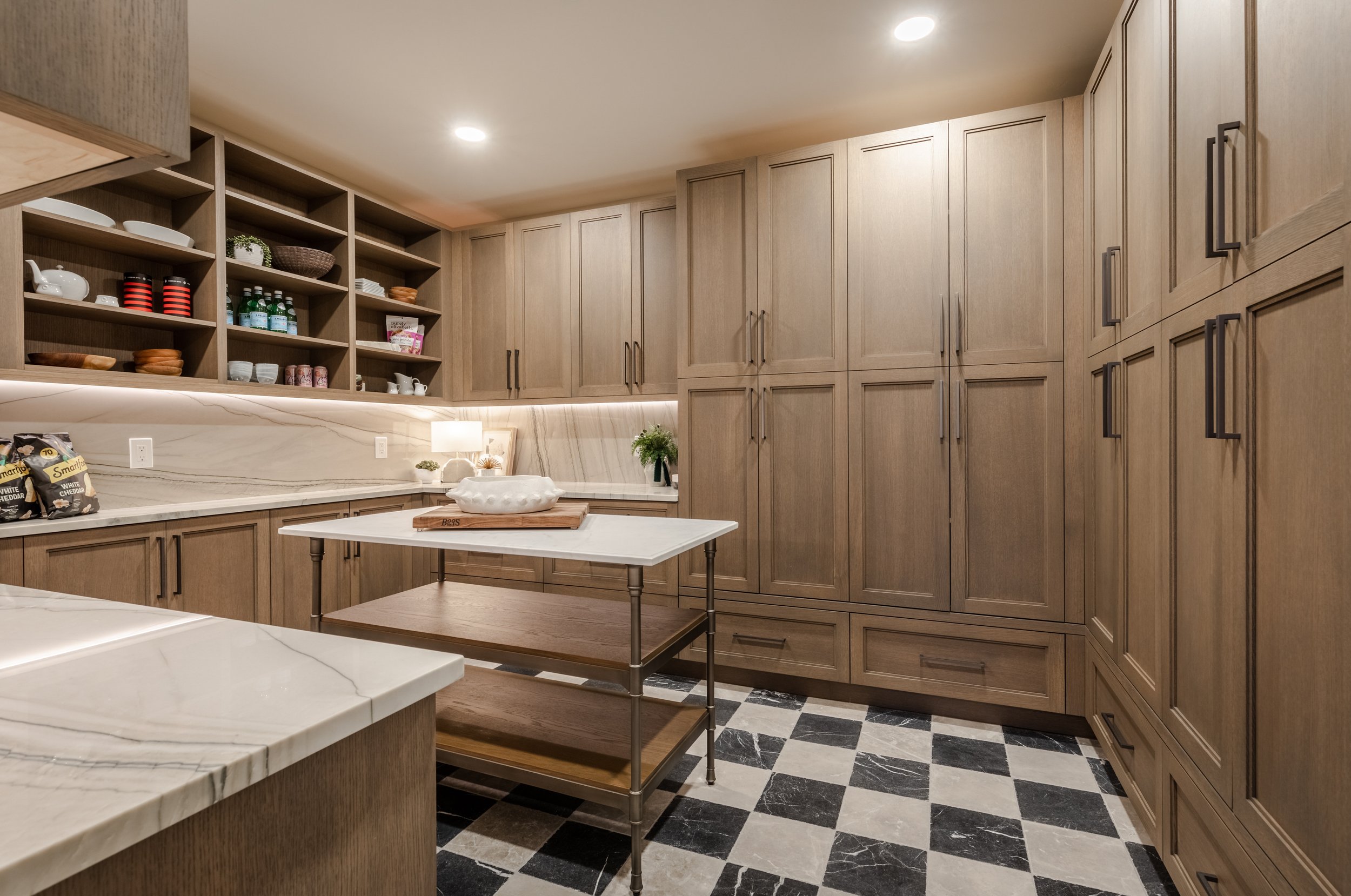
Rift Sawn White Oak - Boulder CO
Visual Comparisons in Finished Cabinetry
Once installed, the difference between these cuts is pronounced. Plain sawn cabinets show lively, arched grain patterns reminiscent of classic oak, while quarter sawn cabinets steal the show with their decorative fleck and strong, straight lines. Rift sawn cabinetry is the most muted visually, featuring neat, linear grain that creates a serene backdrop.
Why This Matters: Informed Choices for Beautiful Results
Knowing these differences before you build is essential:
- No surprises: You can confidently choose the grain and texture that best matches your design vision.
- Budgeting: Understanding price differences between milling methods helps you allocate your project dollars wisely.
- Design synergy: Grain pattern can influence the entire feel of a room, from casual and traditional to modern and refined.
Final Thoughts
White oak’s beauty lies in its variety. Whether you love the time-tested appeal of plain sawn, the intricate artistry of quarter sawn, or the chic simplicity of rift sawn, understanding your options will ensure that your cabinetry feels as good as it looks. Ask to see full-size samples, talk through your priorities, and remember—an informed decision is the first step toward cabinetry you’ll treasure for a lifetime!