
Interior Design Process: What Homeowners Should Know
Discover interior design process steps from consultation to installation so you can plan a smarter remodel with confidence today.
Interior Design Process: What Homeowners Should Know
If you are thinking about remodeling your kitchen, updating a bathroom, or reworking the flow of your home, understanding the interior design process before construction begins can save you time, money, and unnecessary stress. For homeowners in Lone Tree, Denver, Parker, Castle Pines, Castle Rock, Douglas County, and nearby Colorado communities, the biggest challenge is rarely just picking finishes. It is knowing how to move from ideas to a finished space without costly missteps.
At Signature Designs Kitchen Bath & Interiors, we believe a beautiful result starts with a clear, thoughtful plan. The interior design process is not just about making a home look better. It is about improving how it lives, functions, and feels for the people who use it every day.
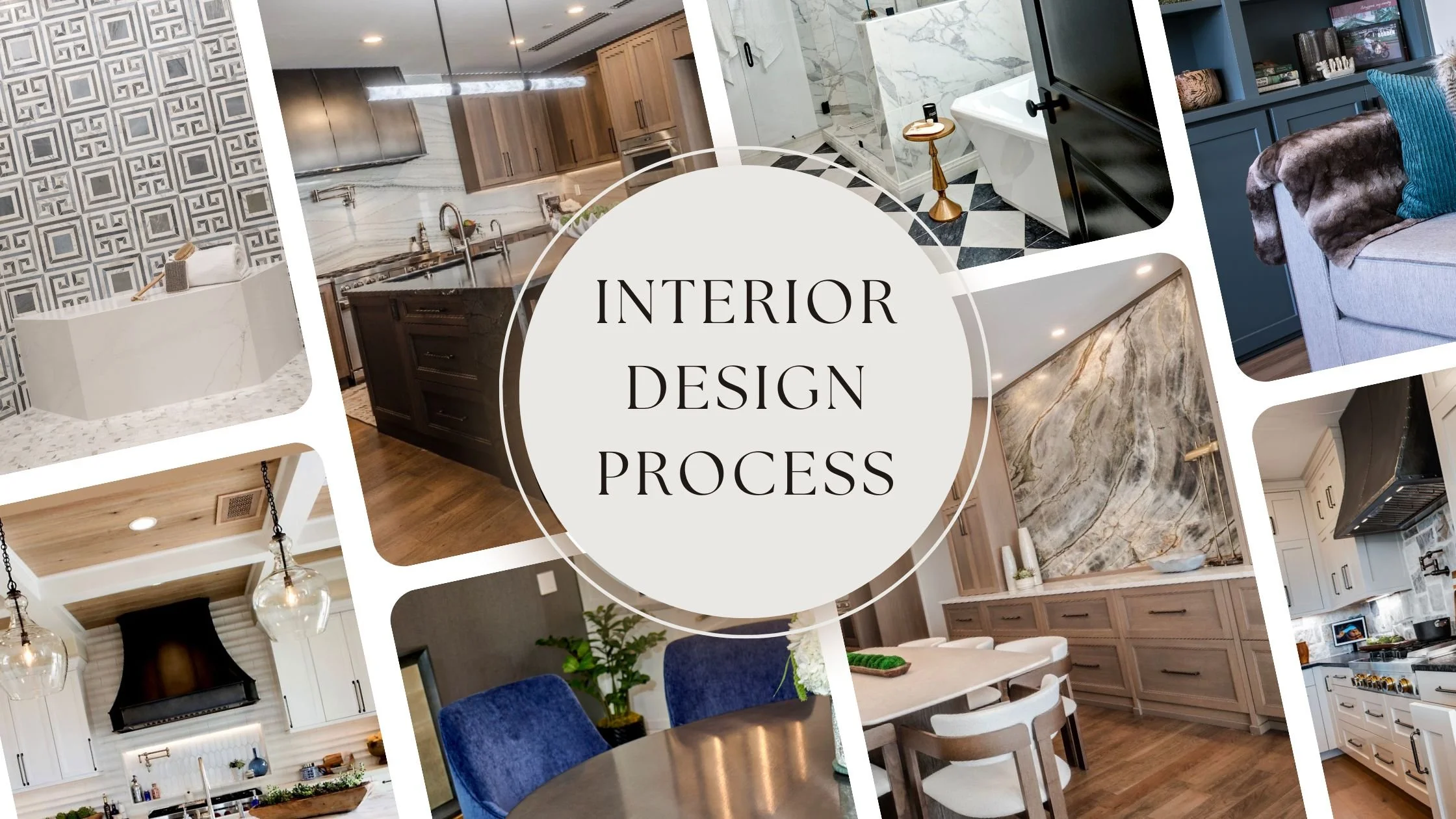
A professional, well-managed interior design work process helps homeowners answer the questions that matter most:
Where do we begin?
How do we make the layout work better?
When do we choose cabinetry, tile, plumbing, and lighting?
How do we stay aligned with budget and timeline?
What happens between the first consultation and the final installation?
This guide walks through the design process interior design professionals use to create more functional, inviting, and timeless homes.
"54% of remodelers used 3D planning tools, and 87% of them found these tools extremely or very helpful in finalizing purchase decisions." - 3D Cloud / Provoke Insights via Epicos
"A midrange bathroom remodel typically offers an average ROI of about 80%." - Opendoor
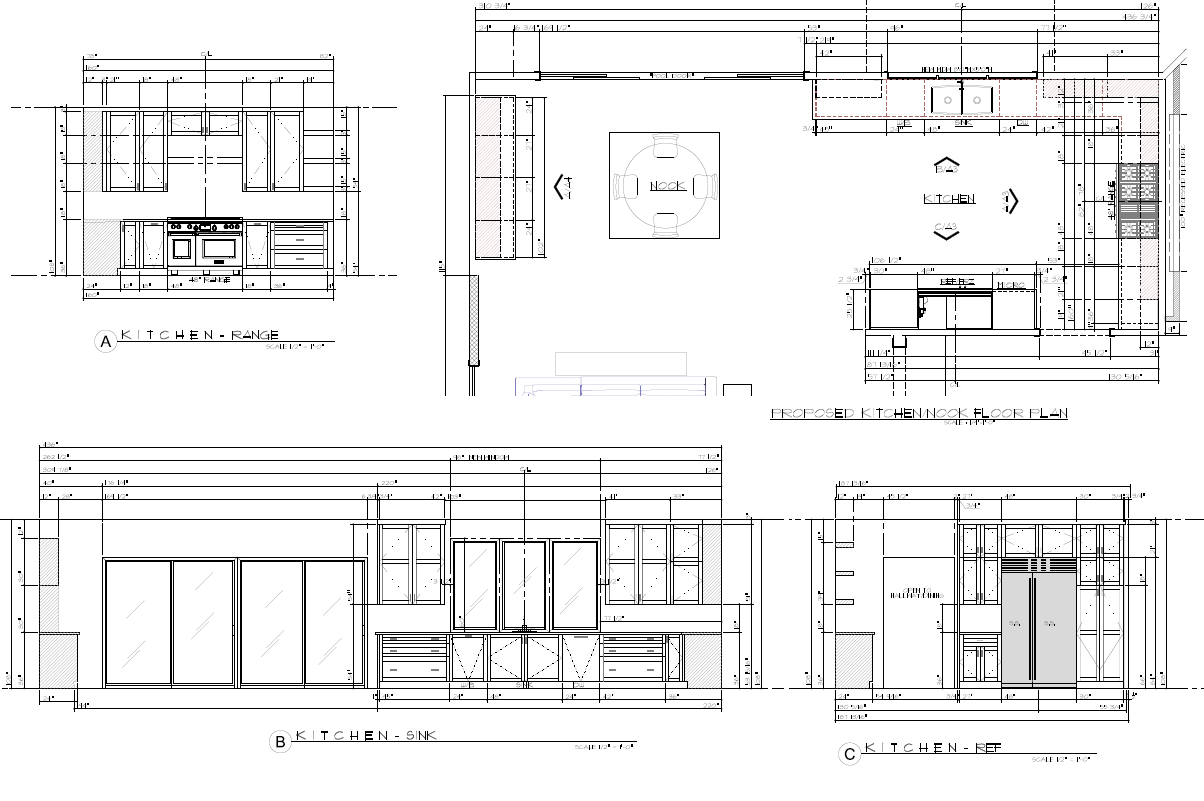
Why Homeowners Should Understand the Interior Design Process
Many homeowners assume design begins with paint colors, cabinet doors, or countertop samples. In reality, the interior design process starts much earlier. Good design solves problems before they appear on the job site.
That matters even more in remodeling, where existing architecture, structural limitations, traffic patterns, storage needs, and family lifestyle all influence the outcome. A polished room that does not function well is not a successful design.
At Signature Designs Kitchen Bath & Interiors, we see the interior design process as a blend of creativity, technical planning, and real-life problem solving. A successful remodel should deliver:
Better space planning and circulation
Improved kitchen and bath function
Durable, high-quality materials
Cabinetry tailored to the home and homeowner
A cohesive visual story from room to room
Confidence before construction begins
A finished space that feels personal, not cookie-cutter
· A Simple Overview of the Interior Design Work Process
· Here is the interior design work process homeowners can expect in a typical remodeling or interiors project:
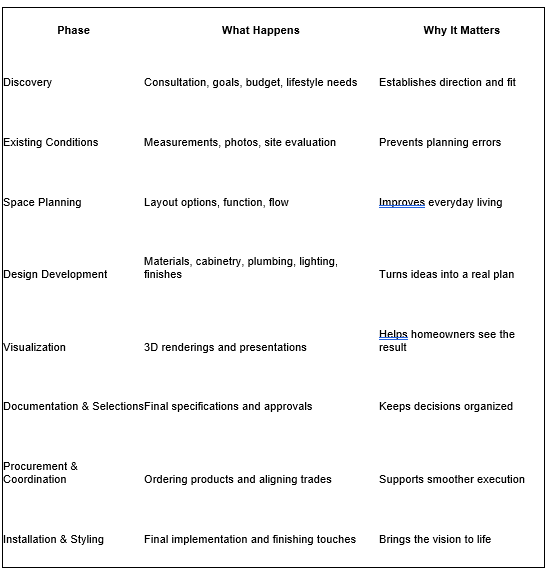
Phase 1: Initial Consultation and Discovery
The first step in the design process interior design professionals use is learning how you live and what you want to change.
This phase is about far more than style preferences. A good consultation uncovers the practical reasons behind the remodel. Maybe your kitchen feels closed off. Maybe your primary bath lacks storage. Maybe your home no longer supports how your family cooks, gathers, works, or entertains.
What homeowners should expect during this phase
During the initial consultation, the designer typically explores:
Your goals for the project
Pain points in the current space
Functional needs and must-haves
Aesthetic preferences
Budget expectations
Project timeline
Scope of work
Decision-making priorities
At Signature Designs Kitchen Bath & Interiors, this phase is deeply collaborative and approachable. We guide homeowners through the conversation in a way that feels clear, professional, and productive, even if they are not sure how to describe what they want yet.
Questions a designer may ask
A strong discovery phase often includes questions like:
How do you use the space every day?
What frustrates you about the current layout?
What do you need more of: storage, seating, prep space, light, privacy?
Are you remodeling for long-term living, resale, or both?
What materials or styles do you love?
What level of customization makes sense for your goals?
These answers shape every decision that follows.
Phase 2: Measuring, Assessing, and Understanding the Existing Space
Before layouts are developed or finishes are selected, the existing space has to be understood accurately. This is one of the most overlooked but most important steps in the interior design process.
In remodeling, assumptions are expensive. Walls may not be square. Ceiling heights may vary. Window placements, structural constraints, mechanical systems, and plumbing locations all affect what is possible.
What happens in this phase
A designer may:
Take detailed field measurements
Photograph the existing condition
Review architectural plans if available
Assess circulation and bottlenecks
Identify opportunities and constraints
Study natural light and sight lines
This is where thoughtful planning begins to transform an existing home into something more functional and memorable.
For Colorado homeowners in established neighborhoods and custom homes alike, this phase often reveals opportunities to improve flow in ways they had not considered before.
Phase 3: Space Planning and Layout Development
This is where the interior design work process starts to feel exciting. Space planning is the bridge between your goals and your future home.
A skilled designer is not simply arranging furniture or choosing cabinet runs. They are evaluating how the space should function as a complete environment.
In a kitchen remodel, space planning may address:
Work triangle efficiency
Island size and placement
Appliance integration
Pantry design
Traffic flow
Seating zones
Storage optimization
Connections to adjacent living areas
In a bathroom remodel, space planning may address:
Vanity configuration
Shower size and orientation
Toilet room placement
Linen storage
Lighting balance
Visual openness and privacy
Why this stage matters so much
This phase is where homeowners often realize the true value of professional design. Better function is not accidental. It comes from careful planning.
At Signature Designs Kitchen Bath & Interiors, improving function and flow is central to our process. We help clients reimagine underperforming layouts and create solutions that feel tailored to their lifestyle, not forced into a generic template.
Phase 4: Concept Development and Design Direction
Once the layout direction is established, the project moves into design development at a broader conceptual level. This is where the personality of the home begins to take shape.
The goal is not to chase trends. It is to define a design language that feels timeless, elevated, and appropriate for the client and the home.
This stage may include:
Overall design concept
Material direction
Cabinet style and finish approach
Color palette
Surface selections
Mood and atmosphere
Architectural details
Furnishing direction where applicable
The best concepts blend beauty with practicality. For example, a high-traffic family kitchen needs durable finishes. A luxurious primary bath still needs the right storage, lighting, and maintenance considerations.
The Signature Designs difference
Because Signature Designs Kitchen Bath & Interiors offers highly personalized design, this phase is never one-size-fits-all. Every solution is shaped around the homeowner’s style, space, daily routines, and investment level. That is how a home becomes distinctive and lasting.
Phase 5: Detailed Design Development
If the concept sets the direction, design development refines it into a buildable, coordinated plan.
This is one of the most technical phases of the interior design process. It is where ideas become decisions.
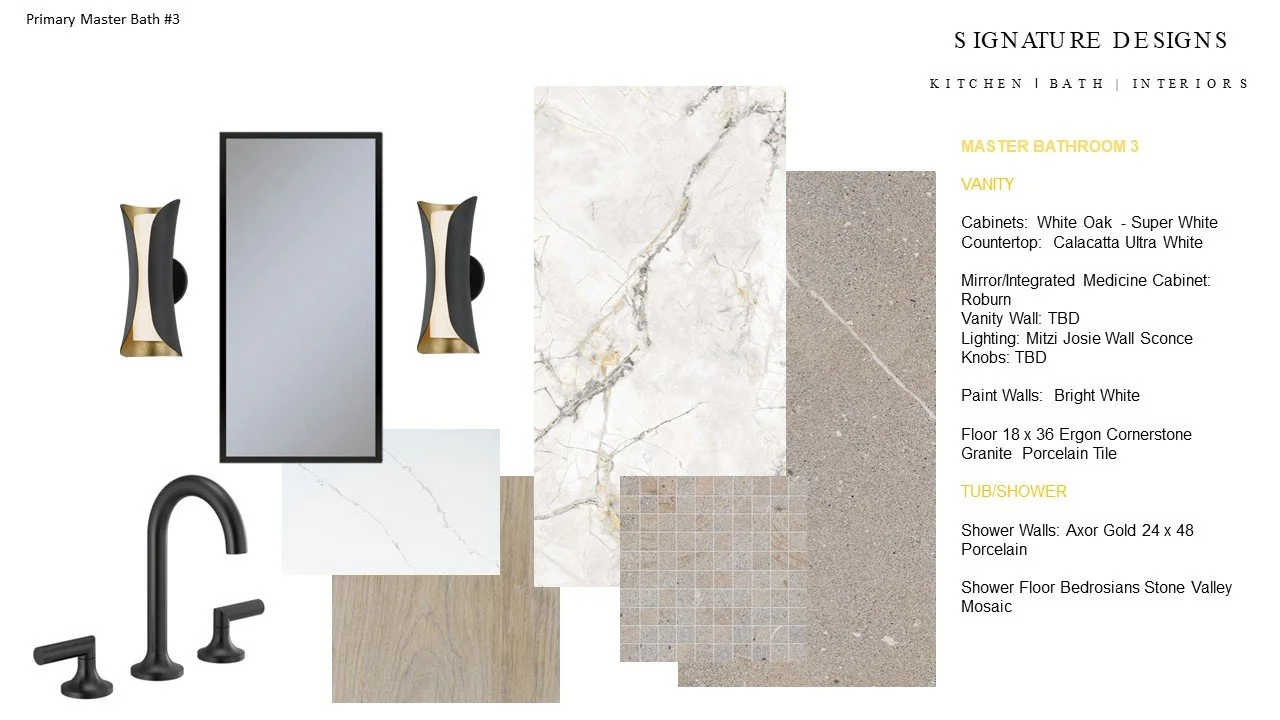
Selections commonly made in this phase
Depending on scope, this may include:
Semi-custom or custom cabinetry
Countertops
Tile and slab materials
Plumbing fixtures
Hardware
Lighting
Flooring
Paint colors
Millwork details
Appliance selections
Decorative mirrors and accessories
Furnishings and décor
Why sequencing matters
A common homeowner mistake is trying to select items in isolation. In a professional interior design work process, each element is evaluated in relation to the others:
Does the flooring support the cabinetry?
Will the lighting flatter the materials?
Does the hardware suit the overall style?
Do the countertops complement, rather than compete with, the backsplash?
Are the furnishings scaled correctly for the room?
Thoughtful curation leads to spaces that feel finished, layered, and intentional.
Phase 6: 3D Renderings and Visualization
One of the biggest content gaps in many articles about the interior design process is how important visualization has become for homeowners. It is much easier to make confident decisions when you can see the space before construction begins.
That is why 3D renderings are such a valuable part of the design process interior design firms now offer.
What 3D renderings help homeowners do
Understand layout changes clearly
Visualize cabinetry placement and proportions
See how materials work together
Compare options before ordering
Feel more confident in major decisions
Reduce uncertainty and decision fatigue
At Signature Designs Kitchen Bath & Interiors, 3D renderings help bring clarity to the process, especially in kitchen and bath remodels where layout, storage, and finish coordination have a major impact on the final result.
For homeowners investing in premium cabinetry, upgraded interiors, and architectural changes, seeing the design ahead of time is invaluable.
Phase 7: Budget Alignment and Value Engineering
A strong interior design process does not ignore budget. It respects it.
Homeowners often worry that design will push them toward choices that exceed what they planned to spend. In reality, a professional process helps prioritize where to invest, where to simplify, and how to avoid expensive corrections later.
Budget conversations should include
Scope clarity
Material tiers
Cabinetry options
Tradeoffs between custom and standard solutions
Lead times and procurement realities
Long-term durability considerations
Where design choices add the most value
The goal is not merely spending less. It is spending wisely.
For example, premium semi-custom or custom cabinetry may be worth prioritizing in a kitchen where storage, fit, and function matter daily. In other cases, a simpler finish or material may allow funds to go toward better layout improvements or lighting.
Phase 8: Documentation, Specifications, and Final Approvals
Once design decisions are made, everything must be documented clearly. This is another area many competitor articles gloss over, but it is essential in the interior design work process.
Without clear specifications, even beautiful design ideas can break down during construction.
Documentation may include:
Floor plans
Elevations
3d Renderings or Visual Walk Thur Videos
Cabinetry drawings
Finish schedules
Fixture schedules
Material specifications
Installation notes
Product details and approvals
This step helps align homeowners, designers, contractors, and vendors around the same vision.
It also supports smoother execution, fewer misunderstandings, and better accountability throughout the remodel.
Phase 9: Procurement and Project Coordination
Once selections are approved, the project moves into procurement. This means products are ordered, tracked, coordinated, and prepared for installation.
This phase requires organization, communication, and experience, especially when a project involves multiple vendors and long-lead items.
What this phase can include
Ordering cabinetry, fixtures, tile, and furnishings
Tracking lead times
Coordinating deliveries
Managing substitutions if needed
Communicating with contractors and trades
Verifying measurements and readiness
This is where professional guidance becomes especially valuable. Homeowners often underestimate how much coordination happens behind the scenes to keep a project moving.
At Signature Designs Kitchen Bath & Interiors, our expert kitchen and bath remodeling guidance helps clients navigate this phase with greater clarity and less overwhelm.
Phase 10: Construction Support and Site Reviews
The interior design process does not end when demolition starts. During construction, design intent must be protected.
Even the best plans require oversight as conditions evolve on site. Questions arise. Adjustments happen. Details need confirmation.
Construction support may involve
Answering contractor questions
Clarifying drawings and specifications
Reviewing field conditions
Confirming placement details
Helping resolve unforeseen issues
Protecting the design vision
This is especially important in remodels of existing homes, where surprises are more common than in new construction.
A thoughtful, experienced designer helps solve problems without losing sight of the overall goal: a finished home that feels cohesive, livable, and beautifully resolved.
Phase 11: Installation, Furnishings, and Final Styling
The final phase is where the entire interior design process comes together.
Cabinetry is installed. Lighting and plumbing fixtures are in place. Furnishings, art, and décor complete the rooms. The home begins to feel not just remodeled, but transformed.
What final installation can include
Cabinet and fixture review
Furnishing placement
Styling shelves and surfaces
Layering textiles and accessories
Final punch-list items
Walkthrough with the homeowner
This stage is not just decorative. Curated furnishings and décor help a home feel personal, balanced, and complete.
At Signature Designs Kitchen Bath & Interiors, we believe the finishing layers matter. A well-designed room should reflect the homeowner’s individuality while still feeling timeless and functional in real life.
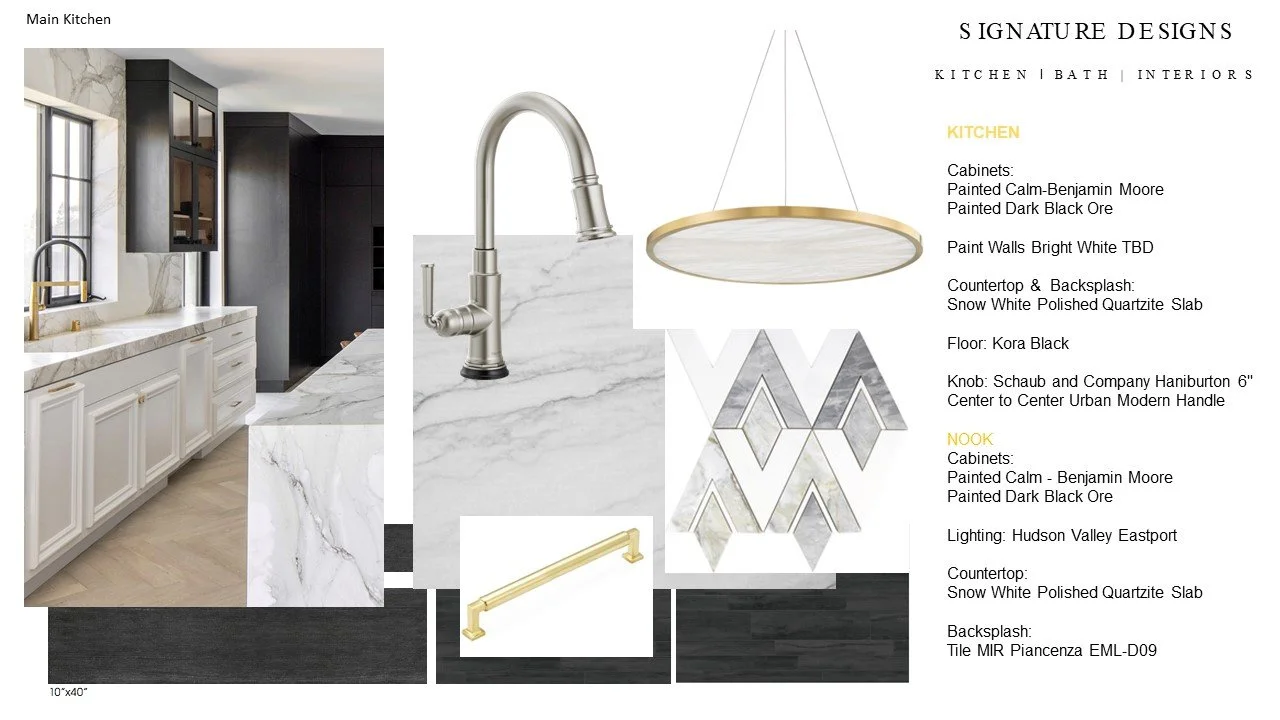
What Homeowners Often Miss About the Interior Design Process
Many articles describe the interior design process in broad strokes, but homeowners benefit most when they understand what can derail a project.
Here are some of the most common blind spots:
Starting with finishes instead of function
Beautiful materials cannot fix a poor layout. Function and flow should come first.
Underestimating cabinetry’s role
Cabinetry affects storage, organization, aesthetics, and daily usability. High-quality semi-custom and custom cabinetry often has an outsized impact on the success of a kitchen or bath.
Making decisions too late
If key selections are delayed, timelines and budgets can be affected.
Treating every room as separate
The best homes feel cohesive. Even when spaces have distinct personalities, they should still relate to one another.
Focusing only on resale
Resale matters, but so does living well in your home now. The strongest designs balance personal lifestyle with long-term value.
Interior Design Process vs. Decorating: What Is the Difference?
Homeowners sometimes use these terms interchangeably, but they are not the same.
Interior Design
Decorating
Focuses on function, layout, materials, and construction-related decisions
Focuses on surface-level aesthetics and accessories
Can involve space planning, cabinetry, lighting, and remodel guidance
Usually involves furniture, textiles, art, and finishing layers
Often begins before construction
Usually happens after major construction or renovation
Requires technical coordination
Primarily stylistic coordination
Signature Designs Kitchen Bath & Interiors offers both the strategic planning side of design and the curated finishing side, which allows homeowners to move from concept to completion with consistency and confidence.
How the Process Changes for Kitchens, Bathrooms, and Whole-Home Projects
Not every remodel follows the exact same path. The interior design process adjusts depending on the project type.
Kitchen projects
Kitchen remodels usually involve the highest level of functional planning. They often include cabinetry, appliances, lighting, storage, circulation, and seating decisions that all need to work together.
Bathroom projects
Bathroom remodels focus heavily on space efficiency, material performance, lighting, comfort, and storage. Precision matters in smaller footprints.
Whole-home interiors
Broader interior projects often require a more layered process, balancing architecture, finishes, furnishings, and continuity throughout multiple spaces.
Because Signature Designs Kitchen Bath & Interiors specializes in kitchens, bathrooms, cabinetry, 3D renderings, and interiors, we help homeowners navigate projects that need both technical skill and a refined design eye.
What a Great Client Experience Should Feel Like
A professional interior design work process should not feel confusing or intimidating. It should feel guided, collaborative, and well-organized.
Homeowners should feel:
Heard
Educated
Confident in decisions
Supported through complexities
Inspired by possibilities
Comfortable asking questions
That experience is part of the value. Great design is not only about the final photographs. It is also about how smoothly and thoughtfully you got there.
At Signature Designs Kitchen Bath & Interiors, our approach is intentionally client-centered. We are known for combining expertise with warmth, helping homeowners feel supported from the first conversation through the final installation.
How to Know You Are Ready to Start
You do not need every answer before reaching out to a design professional. In fact, most homeowners begin with a mix of ideas, frustrations, and aspirations.
You may be ready to begin if:
Your kitchen or bath no longer functions well
Your home feels dated or disconnected
You want better storage and flow
You are planning to stay in your home and want it to serve you better
You want expert guidance instead of guessing through selections
You value personalized, one-of-a-kind solutions
You want a home that feels elevated but still livable
The Bottom Line on the Interior Design Process
The interior design process is not just a checklist. It is the framework that turns uncertainty into clarity and ideas into a home that truly works for you.
When done well, the design process interior design professionals follow helps homeowners avoid rushed decisions, improve function, align investment with priorities, and create spaces that feel timeless, comfortable, and distinctively personal.
For Colorado homeowners looking to remodel kitchens, bathrooms, or interiors with more confidence, Signature Designs Kitchen Bath & Interiors offers the experience, creativity, and technical guidance to make the process feel far more manageable and rewarding. From thoughtful space planning and premium cabinetry to 3D renderings and curated finishing details, we help transform existing homes into spaces that are more beautiful, more functional, and more memorable.
If you are ready to move from ideas to a clear plan, Signature Designs Kitchen Bath & Interiors is ready to help you create a home that reflects your life with style, purpose, and lasting value.