
AI Cannot Design Your Kitchen: Why Human Expertise Still Matters
The rise of artificial intelligence has made home, kitchen, and bath design more accessible than ever, with many clients increasingly turning to design apps and AI-powered tools. These platforms allow users to swiftly visualize their ideas and experiment with layouts, styles, and materials with the tap of a finger. It’s understandable—who wouldn’t enjoy browsing beautiful, computer-generated images or watching an app instantly generate a virtual version of their dream space?
However, this trend is causing concern among professional designers, who worry that the value of their expertise and personal service may be overshadowed by the convenience and speed of technology. With AI making sophisticated design more attainable, clients may begin to question the need for professional guidance or overlook the advantages of hiring someone with real-world experience.
For designers, like myself , navigating this shifting landscape, it’s vital to focus on the unique qualities that seasoned professionals offer—qualities that AI simply cannot replicate. Human designers don’t just create attractive spaces; they bring a deep understanding of functionality, ergonomics, and lifestyle needs to the table. They are adept at translating a client’s individual taste, needs, and daily routines into personalized, livable spaces. Designers also have the practical know-how to anticipate architectural or logistical challenges that a digital tool might overlook, ensuring that each project is not only visually stunning, but also feasible and comfortable in real life.
Furthermore, professional designers offer a level of collaboration, communication, and empathy that technology can’t match. They build trust, guide clients through complex choices, and solve problems creatively as projects evolve. Their professional networks, industry insights, and project management skills add significant value throughout the remodeling process, from budgeting to installation and finishing touches.
Instead of competing with AI, we can embrace these tools to enhance their own offerings, using technology for visualization and inspiration while highlighting their irreplaceable expertise. By clearly communicating the benefits of professional guidance, designers can help clients see that the best results come from a blend of cutting-edge technology and the human touch—ensuring not just beautiful spaces, but a genuinely enjoyable, successful design experience.

Subzero Wolf
1. AI Can’t Capture the FLOW of Real Design
The layout and flow between kitchen, bath, and adjoining spaces makes a home truly livable. AI images might look slick, but they don’t walk your dog through the kitchen entry every morning or entertain ten guests in your open-concept living area. They don’t experience how your family moves through the house, or how design decisions in one room impact another. Human designers see connections and anticipate how a space works beyond a static image.
2. Light Quality Changes Everything—AI Doesn’t Get That
Light isn’t static, and its quality shifts throughout the day. The perfect white backsplash at noon could look sterile or dingy by dinnertime. Materials, colors, and finishes come alive in real environments, subject to changing sunlight and artificial lighting. AI can approximate this, but only onsite expertise can make sure the palette works in YOUR kitchen, with YOUR windows, at YOUR favorite time of day.
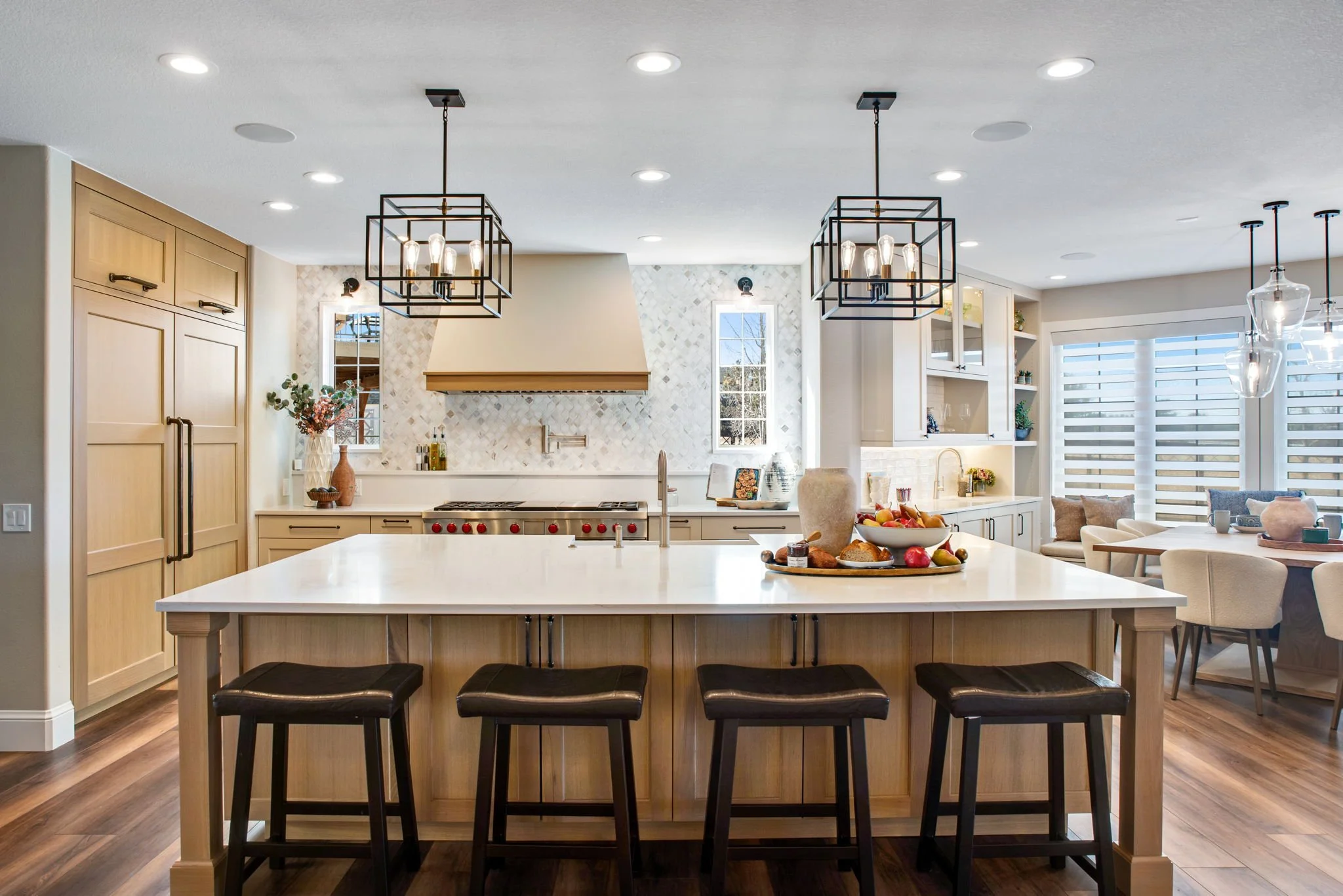
Signature Designs Kitchen Bath & Interiors After Kitchen with Small Structural Addition
3. AI Doesn’t Deliver Buildable Measurements
AI-generated images might look picture-perfect, but they’re notorious for fudging the practical details. Ceilings, cabinet heights, drawer depth, counter overhangs—these are the details that make a design feasible. Without extremely specific, accurate measurements, the most beautiful AI-rendered kitchen is just that: a pretty picture. If it can’t be built, it can’t be enjoyed. They lack the details of how a room might be made into a real functioning room.
4. AI Won’t Manage Your Contractors or Order Processing all the materials needed for a remodel.
Let’s be honest: project management is where design becomes reality. Human designers coordinate electricians, plumbers, carpenters, countertop fabricators, and appliance installers. They’re onsite, solving problems, sequencing workflows, and keeping the process moving. If you’re a designer, this project management prowess is your fortress—your biggest moat. Professional credentials in construction management or a general contractor’s license only make you more indispensable. Because the concept design is lacking detail you cannot order new cabinets for your kitchen with an AI drawing or concept.
5. AI Can’t Solve Problems in Real Time
AI tools are getting smarter, and they can suggest clever workarounds, but not all suggested solutions fit the quirks of a real home. Designers are on site, making judgment calls when a beam can’t be moved, when a wall isn’t plumb, or when a cabinet doesn’t fit as planned. On-the-spot troubleshooting and creative problem-solving is the hallmark of a seasoned pro.

Centennial Colorado Home Before Plan

Centennial Colorado Home Remodeled Plan

Centennial Colorado Elevations and Details
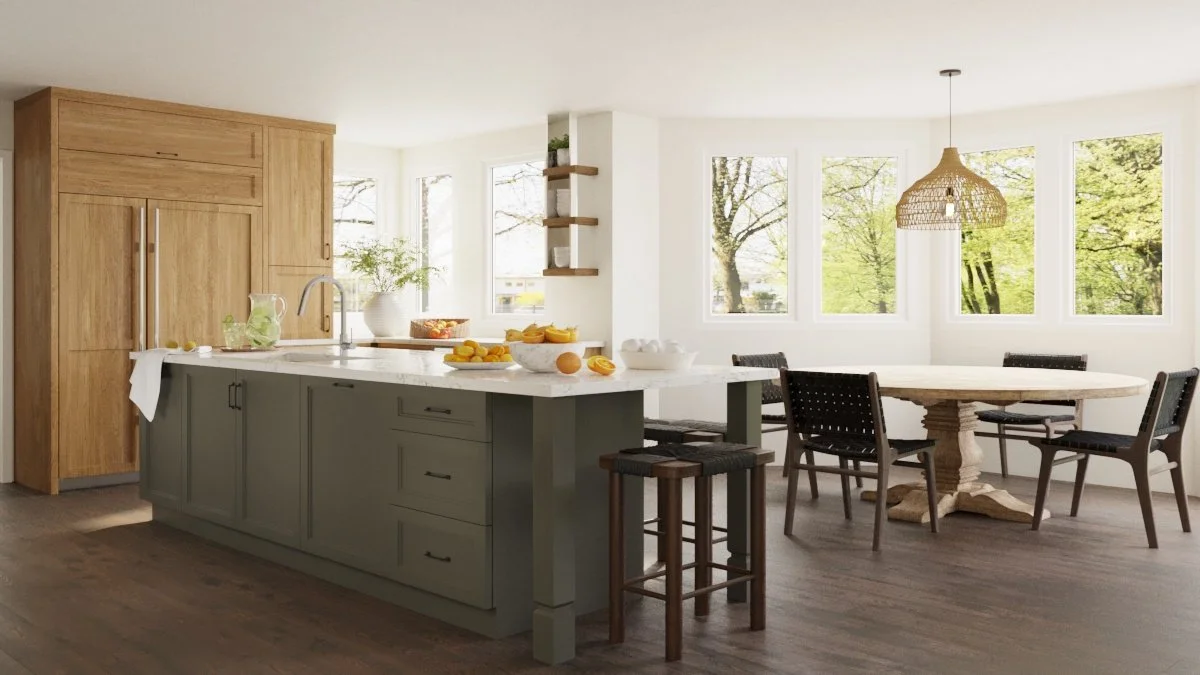
3d Renderings of Proposed Kitchen
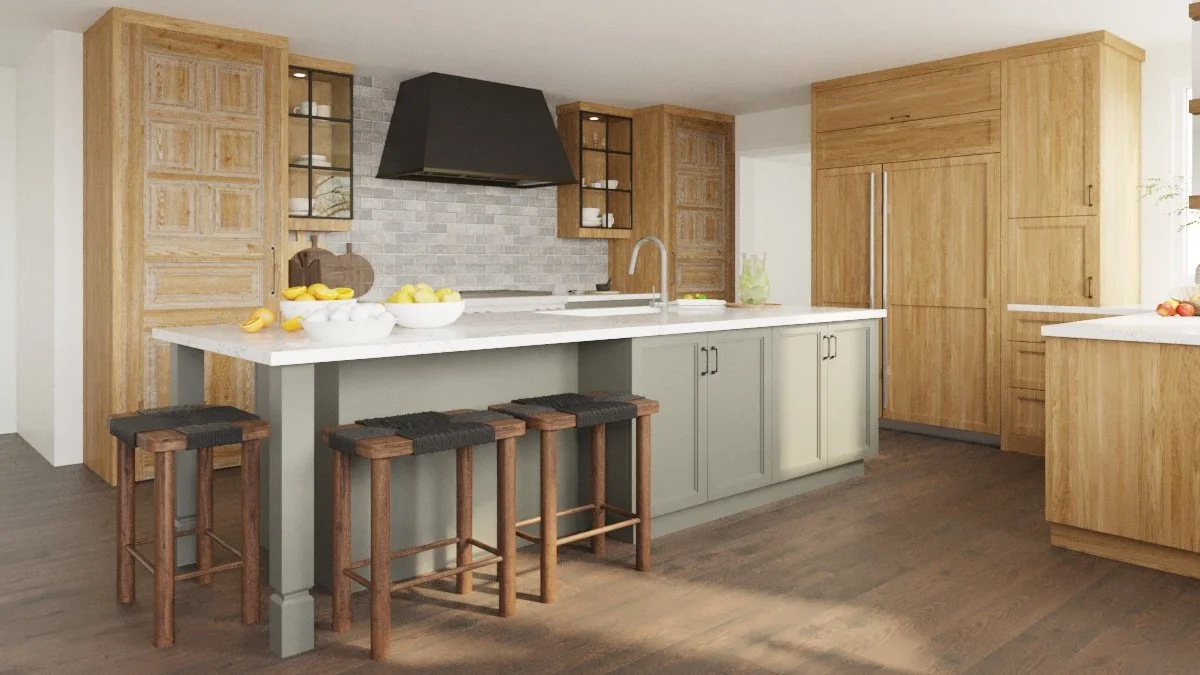
3d Renderings of Proposed Kitchen
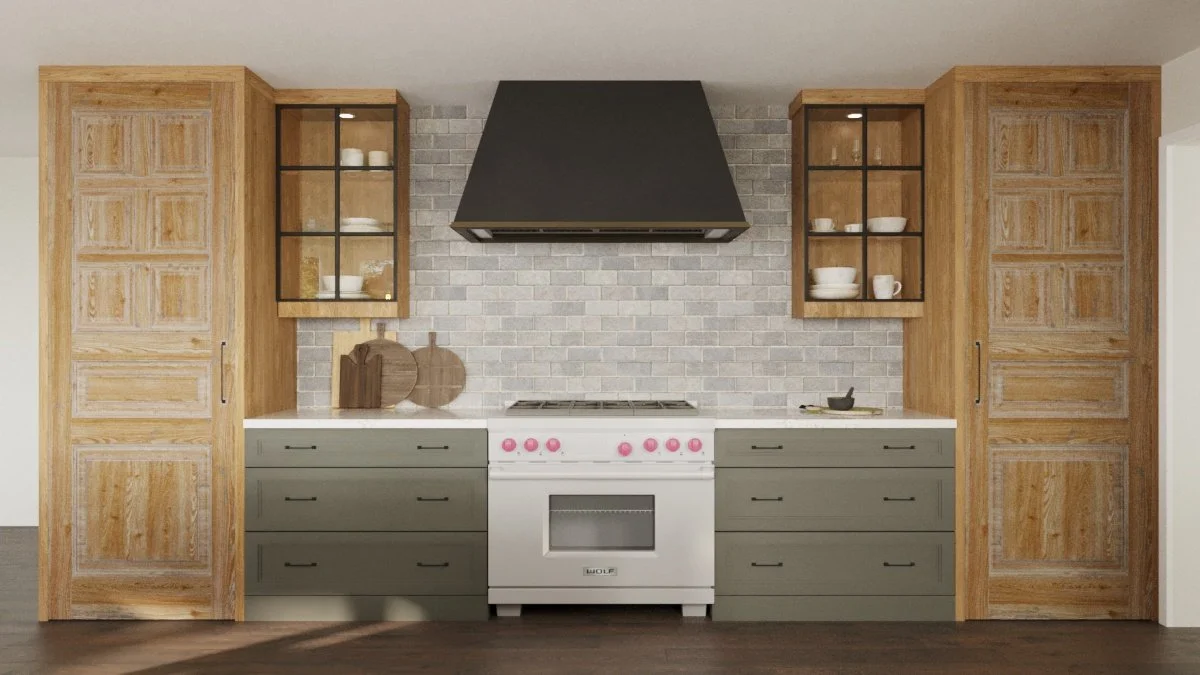
3d Renderings of Proposed Kitchen
This kitchen in Centennial Colorado featured above is a perfect example of how we walked the client through all the practical needs she had to increase countertop space while also expanding her storage and using every single inch of her kitchen in a non conventional layout. The details and unique design layout could not be accomplished by an AI design.
The Big Shift: Embracing the DIY Spirit—but Leading with Expertise
The rise of AI doesn’t signal the end for professional designers. Instead, it points to a new way of working—a collaborative relationship where clients dream and imagine using AI tools, then trust the pro to bring those dreams to life (and avoid costly mistakes along the way).
Here is my message to clients:
Bring me your AI-generated design ideas—and let’s collaborate. I’ll use my expertise to turn those inspirations into spaces that work, flow, and feel right for YOUR home.
So we say that its ok to experiment with AI but at the end of the day, a kitchen isn’t just a picture; it’s where life happens, and only a human designer can make it yours.
Bonnie Bagley Catlin, Renovation Specialist & Interior Designer, Lone Tree Colorado.
Signature Designs Kitchen Bath & Interiors